
মিনাব স্কুলে টমাহক হামলা: ইরান যুদ্ধে শিশু মৃত্যুর ট্র্যাজেডি
২০২৬ সালের ২৮ ফেব্রুয়ারি মধ্যপ্রাচ্যের আকাশে ছুটে আসা একটি টমাহক ক্রুজ মিসাইল মুহূর্তের মধ্যে ধ্বংসস্তূপে পরিণত করে ইরানের মিনাব শহরের একটি মেয়েদের প্রাথমিক বিদ্যালয়কে। কয়েক সেকেন্ডের মধ্যেই ভেঙে পড়ে দুই তলা স্কুল ভবন, আর ধ্বংসস্তূপের নিচে চাপা পড়ে যায় শতাধিক শিশু।
আন্তর্জাতিক রিপোর্ট অনুযায়ী, এই হামলায় প্রায় ১৬৫ থেকে ১৮০ জনের মৃত্যু হয়েছে—যাদের অধিকাংশই ছিল ৭ থেকে ১২ বছর বয়সী ছাত্রী। এটি এখন পর্যন্ত ২০২৬ সালের ইরান যুদ্ধের সবচেয়ে ভয়াবহ বেসামরিক ট্র্যাজেডি হিসেবে বিবেচিত হচ্ছে।
ঘটনার পর থেকেই বিশ্বজুড়ে তীব্র বিতর্ক শুরু হয়েছে—এটি কি একটি ভয়াবহ সামরিক ভুল, নাকি আধুনিক যুদ্ধের আরেকটি মানবিক বিপর্যয়? তদন্তে উঠে এসেছে মার্কিন টমাহক মিসাইল ব্যবহারের সম্ভাবনা, পুরনো গোয়েন্দা তথ্যের অভিযোগ এবং যুদ্ধাপরাধের প্রশ্ন।
মিনাবের সেই স্কুলে আসলে কী ঘটেছিল? কেন একটি স্কুল লক্ষ্যবস্তু হয়ে উঠল? এবং এই ট্র্যাজেডি কীভাবে ইরান যুদ্ধ ২০২৬ ও আন্তর্জাতিক রাজনীতির গতিপথ বদলে দিতে পারে—এই প্রতিবেদনে তুলে ধরা হলো সেই পূর্ণ চিত্র।
মধ্যপ্রাচ্যের নতুন যুদ্ধের ইতিহাসে ২০২৬ সালের ২৮ ফেব্রুয়ারি একটি অন্ধকার দিন হিসেবে চিহ্নিত হয়ে থাকবে। ইরানের দক্ষিণাঞ্চলীয় হরমোজগান প্রদেশের মিনাব শহরের একটি মেয়েদের প্রাথমিক বিদ্যালয়ে মার্কিন টমাহক ক্রুজ মিসাইলের আঘাতে শতাধিক শিশুর মৃত্যু শুধু ইরান-মার্কিন উত্তেজনাকেই নতুন মাত্রা দেয়নি, বরং আন্তর্জাতিক রাজনীতি, মানবাধিকার এবং যুদ্ধের নৈতিকতা নিয়ে বিশ্বজুড়ে তীব্র বিতর্কের জন্ম দিয়েছে।
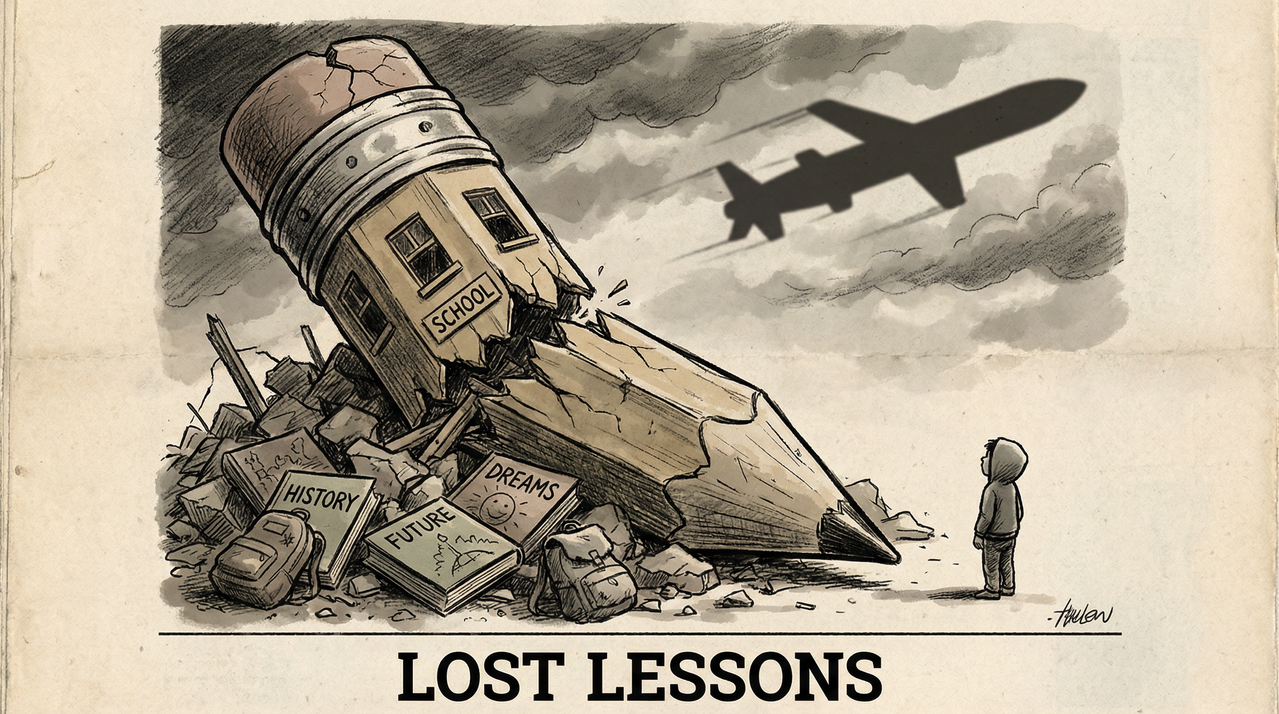
এই হামলা এখন পর্যন্ত চলমান ইরান যুদ্ধের সবচেয়ে ভয়াবহ বেসামরিক মৃত্যুর ঘটনা হিসেবে বিবেচিত হচ্ছে। একই সঙ্গে এটি ভারতের কূটনৈতিক অবস্থানকেও এক কঠিন পরীক্ষার মুখে দাঁড় করিয়েছে—যেখানে একদিকে রয়েছে মার্কিন যুক্তরাষ্ট্রের সঙ্গে কৌশলগত সম্পর্ক, অন্যদিকে রয়েছে ইরান ও উপসাগরীয় অঞ্চলের সঙ্গে গভীর জ্বালানি ও প্রবাসী স্বার্থ।
এই প্রতিবেদনে আমরা বিশ্লেষণ করব—মিনাবের সেই স্কুলে ঠিক কী ঘটেছিল, কীভাবে টমাহক মিসাইলের সূত্র সামনে আসে, কেন আন্তর্জাতিক মহলে যুদ্ধাপরাধের অভিযোগ উঠেছে এবং কেন এই ঘটনা ভারতের জন্য একটি বড় কূটনৈতিক ভারসাম্যের প্রশ্ন হয়ে দাঁড়িয়েছে।
মিনাবের মেয়েদের স্কুলে কী ঘটেছিল
২০২৬ সালের ২৮ ফেব্রুয়ারি ছিল ইরান যুদ্ধের প্রথম দিন। সেই দিনই মার্কিন যুক্তরাষ্ট্র ও ইসরায়েল যৌথভাবে ইরানের বিভিন্ন সামরিক স্থাপনায় ব্যাপক হামলা চালায়। লক্ষ্য ছিল ইরানের সামরিক অবকাঠামো, বিশেষ করে ইসলামিক রেভল্যুশনারি গার্ড কর্পস (IRGC)-এর ঘাঁটিগুলি।
কিন্তু সেই হামলার মধ্যেই ভয়াবহ ট্র্যাজেডি ঘটে মিনাব শহরে।
মিনাবের শাজারেহ তাইয়্যেবে (Shajareh Tayyebeh) নামের একটি মেয়েদের প্রাথমিক বিদ্যালয় হঠাৎ করেই একাধিক মিসাইলের আঘাতে ধ্বংসস্তূপে পরিণত হয়। স্থানীয় প্রত্যক্ষদর্শীরা জানিয়েছেন, স্কুল ভবনটিতে একবার নয়, বরং দুই থেকে তিনবার পরপর আঘাত হানে মিসাইল—যা সামরিক পরিভাষায় “ডাবল ট্যাপ” বা “ট্রিপল ট্যাপ” স্ট্রাইক হিসেবে পরিচিত।
দুই তলা বিশিষ্ট স্কুল ভবনের ছাদ মুহূর্তের মধ্যে ভেঙে পড়ে। সেই সময় স্কুলে উপস্থিত ছিল শত শত শিশু ও শিক্ষক।
ধ্বংসস্তূপের নিচে চাপা পড়ে যায় অসংখ্য ছোট্ট প্রাণ।
প্রাথমিক রিপোর্ট অনুযায়ী নিহতের সংখ্যা ১৬৫ থেকে ১৮০ জনের মধ্যে। তাদের অধিকাংশই ছিল ৭ থেকে ১২ বছর বয়সী কিশোরী ছাত্রী।
এই ঘটনা ইরান যুদ্ধের সবচেয়ে ভয়াবহ বেসামরিক মৃত্যুর ঘটনা হিসেবে চিহ্নিত হয়েছে।
ধ্বংসস্তূপের নিচে শিশুদের আর্তনাদ
হামলার পরপরই উদ্ধারকার্য শুরু হলেও পরিস্থিতি ছিল অত্যন্ত ভয়াবহ। স্থানীয় উদ্ধারকারী দল এবং স্বেচ্ছাসেবীরা ধ্বংসস্তূপ সরিয়ে বেঁচে থাকা শিশুদের খুঁজতে শুরু করেন।
সোশ্যাল মিডিয়ায় ছড়িয়ে পড়া ভিডিও ও ছবিতে দেখা যায়—
ধুলো ও ধোঁয়ায় ঢেকে থাকা স্কুল ভবনের ধ্বংসস্তূপ
ভাঙা ডেস্ক ও বইয়ের স্তূপ
এবং তার নিচে আটকে থাকা ছোট ছোট দেহ।
অনেক অভিভাবক নিজেদের সন্তানকে খুঁজতে এসে ধ্বংসস্তূপের পাশে কান্নায় ভেঙে পড়েন।
স্থানীয় চিকিৎসকদের বক্তব্য অনুযায়ী, কিছু শ্রেণিকক্ষে প্রায় কোনো শিক্ষার্থীই বেঁচে ছিল না।
এই দৃশ্য ইরানজুড়ে গভীর শোক ও ক্ষোভের জন্ম দেয়।
কেন লক্ষ্যবস্তু হলো এই স্কুল?
প্রথম থেকেই ইরান সরকার দাবি করে যে এটি ছিল মার্কিন যুক্তরাষ্ট্র ও ইসরায়েলের যৌথ হামলা।
তাদের বক্তব্য অনুযায়ী, মিনাবের ওই স্কুলের কাছেই ছিল IRGC নৌবাহিনীর একটি সামরিক স্থাপনা। সম্ভবত সেই ঘাঁটিকে লক্ষ্য করেই হামলা চালানো হয়েছিল।
কিন্তু প্রশ্ন উঠেছে—যদি লক্ষ্য সামরিক ঘাঁটি হয়, তাহলে কেন একটি প্রাথমিক বিদ্যালয় ধ্বংস হলো?
মানবাধিকার সংগঠনগুলোর মতে, এমন পরিস্থিতিতেও আন্তর্জাতিক মানবিক আইন অনুযায়ী বেসামরিক স্থাপনা রক্ষার দায়িত্ব আক্রমণকারী পক্ষের।
কীভাবে সামনে আসে টমাহক মিসাইলের তথ্য
ঘটনার পর আন্তর্জাতিক সংবাদমাধ্যম বিষয়টি তদন্ত শুরু করে।
স্যাটেলাইট ছবি, ভিডিও ফুটেজ এবং অস্ত্রের ধ্বংসাবশেষ বিশ্লেষণ করে বেশ কয়েকটি বড় সংবাদমাধ্যম—যেমন নিউ ইয়র্ক টাইমস, CNN, CBC—এই সিদ্ধান্তে পৌঁছায় যে হামলায় ব্যবহৃত অস্ত্রটি ছিল মার্কিন টমাহক ক্রুজ মিসাইল।
টমাহক হলো দীর্ঘ পাল্লার নির্ভুল হামলার জন্য তৈরি একটি অত্যাধুনিক ক্রুজ মিসাইল। সাধারণত যুদ্ধজাহাজ বা সাবমেরিন থেকে এটি নিক্ষেপ করা হয়।
তদন্তে দেখা যায়, হামলাটি এমন একটি অঞ্চলে হয়েছিল যা সেই সময় মার্কিন বাহিনীর অপারেশনাল জোনের মধ্যে ছিল।
পেন্টাগনের প্রাথমিক তদন্তে কী উঠে এসেছে
মার্কিন প্রতিরক্ষা দপ্তর বা পেন্টাগন এই ঘটনার তদন্ত শুরু করেছে।
প্রাথমিক রিপোর্ট অনুযায়ী, হামলার লক্ষ্য নির্ধারণে ব্যবহৃত তথ্য ছিল পুরনো। মার্কিন গোয়েন্দা সংস্থা ডিফেন্স ইন্টেলিজেন্স এজেন্সি (DIA) যে কোঅর্ডিনেট দিয়েছিল তা সম্ভবত একটি পুরনো সামরিক স্থাপনার তথ্যের ওপর ভিত্তি করে তৈরি।
সম্ভাবনা রয়েছে যে—
স্কুল ভবনটি আগে কোনো সামরিক স্থাপনার অংশ ছিল
কিন্তু পরে সেটি শিক্ষা প্রতিষ্ঠানে রূপান্তরিত হয়
আর সেই তথ্য হালনাগাদ করা হয়নি।
ফলে টার্গেটিং সিস্টেমে ভুল কোঅর্ডিনেট ব্যবহৃত হয় এবং মিসাইল গিয়ে আঘাত করে একটি স্কুলে।
পেন্টাগন এখন এই ঘটনাকে উচ্চস্তরের তদন্তে উন্নীত করেছে।
যদি এটি নিশ্চিত হয়, তাহলে এটি কয়েক দশকের মধ্যে মার্কিন বাহিনীর সবচেয়ে বড় বেসামরিক মৃত্যুর ঘটনা হতে পারে।
যুদ্ধাপরাধের অভিযোগ
এই হামলার পর আন্তর্জাতিক মানবাধিকার সংগঠনগুলো তীব্র প্রতিক্রিয়া জানায়।
জাতিসংঘের মানবাধিকার বিশেষজ্ঞরা এই ঘটনাকে “শিশুদের ওপর ভয়াবহ আক্রমণ” বলে অভিহিত করেছেন।
মানবাধিকার সংস্থা Human Rights Watch বলেছে—
যদি একটি সামরিক ঘাঁটির কাছে কোনো স্কুল থাকে, তবুও সেখানে হামলা চালানোর সময় বেসামরিক প্রাণ রক্ষার দায়িত্ব থাকে।
তাদের মতে, এই হামলা আন্তর্জাতিক মানবিক আইনের সম্ভাব্য লঙ্ঘন।
অনেক বিশ্লেষক এটিকে AI যুগের যুদ্ধাপরাধ বলেও আখ্যা দিয়েছেন—যেখানে অত্যাধুনিক অস্ত্র এবং ভুল গোয়েন্দা তথ্য মিলিয়ে ভয়াবহ মানবিক বিপর্যয় ঘটেছে।
মার্কিন রাজনীতিতে চাপ
এই ঘটনার পর মার্কিন যুক্তরাষ্ট্রের ভেতরেও রাজনৈতিক চাপ তৈরি হয়েছে।
সেনেটের প্রায় সব ডেমোক্র্যাট সদস্য পেন্টাগনের কাছে বিস্তারিত ব্যাখ্যা দাবি করেছেন।
তাদের প্রশ্ন—
কীভাবে এমন ভুল টার্গেটিং হলো
কেন গোয়েন্দা তথ্য যাচাই করা হয়নি
এবং ভবিষ্যতে এমন ঘটনা কীভাবে রোধ করা হবে।
অন্যদিকে ট্রাম্প প্রশাসনের কর্মকর্তারা বলেছেন যে যুক্তরাষ্ট্র কখনও ইচ্ছাকৃতভাবে একটি স্কুলকে লক্ষ্য করে হামলা করবে না।
ভারতের প্রতিক্রিয়া
১২ মার্চ ভারতের পররাষ্ট্র মন্ত্রণালয় আনুষ্ঠানিকভাবে এই ঘটনার প্রতিক্রিয়া জানায়।
পররাষ্ট্র মন্ত্রণালয়ের মুখপাত্র রন্ধীর জয়সওয়াল বলেন—
ভারত মিনাবের মেয়েদের স্কুলে নিহত শিশুদের মৃত্যুতে গভীর শোক প্রকাশ করছে এবং বেসামরিক নাগরিকদের নিরাপত্তাকে সর্বোচ্চ গুরুত্ব দেওয়ার আহ্বান জানাচ্ছে।
ভারতের এই প্রতিক্রিয়া আন্তর্জাতিক কূটনীতিতে গুরুত্বপূর্ণ বলে মনে করা হচ্ছে।
কারণ ভারত সরাসরি যুক্তরাষ্ট্রকে অভিযুক্ত না করলেও ঘটনাটিকে অত্যন্ত গুরুত্বের সঙ্গে বিবেচনা করেছে।
উপসাগরীয় অঞ্চলে ভারতের স্বার্থ
ভারতের জন্য পশ্চিম এশিয়া অত্যন্ত গুরুত্বপূর্ণ একটি অঞ্চল।
কারণ—
প্রায় ৮০ লাখ ভারতীয় নাগরিক সেখানে কাজ করেন
ভারতের তেলের বড় অংশ আসে উপসাগরীয় দেশগুলো থেকে
এবং ইরানের সঙ্গে ভারতের দীর্ঘদিনের কৌশলগত সম্পর্ক রয়েছে।
এই কারণে ভারত এই সংঘাতে অত্যন্ত সতর্ক অবস্থান নিচ্ছে।
জাতিসংঘে ভারতের অবস্থান
মিনাব হামলার কয়েক দিনের মধ্যেই জাতিসংঘ নিরাপত্তা পরিষদে একটি প্রস্তাব আনা হয়।
এই প্রস্তাবে ইরানের বিরুদ্ধে উপসাগরীয় দেশগুলোর ওপর হামলার নিন্দা জানানো হয়।
ভারত এই প্রস্তাবের সহ-সমর্থক ছিল।
১৩টি দেশ প্রস্তাবের পক্ষে ভোট দেয় এবং ২টি দেশ বিরত থাকে।
ভারতের এই অবস্থান দেখায় যে—
ভারত একদিকে ইরানের শিশুদের মৃত্যুর ঘটনায় শোক প্রকাশ করছে
অন্যদিকে উপসাগরীয় দেশগুলোর নিরাপত্তা নিয়েও উদ্বিগ্ন।
ভারতের কূটনৈতিক ভারসাম্য
বিশ্লেষকদের মতে, ভারত এই সংকটে একটি “সুষম কিন্তু নিরপেক্ষ” অবস্থান নেওয়ার চেষ্টা করছে।
ভারত তিনটি গুরুত্বপূর্ণ সম্পর্ক রক্ষা করতে চাইছে—
মার্কিন যুক্তরাষ্ট্রের সঙ্গে কৌশলগত অংশীদারিত্ব
ইরানের সঙ্গে ঐতিহাসিক সম্পর্ক
এবং উপসাগরীয় দেশগুলোর সঙ্গে অর্থনৈতিক সহযোগিতা।
এই কারণেই ভারত কোনো পক্ষকে সরাসরি অভিযুক্ত না করে বেসামরিক প্রাণহানির বিরুদ্ধে নীতিগত অবস্থান নিয়েছে।
কেন এই ঘটনা যুদ্ধের মোড় ঘুরিয়ে দিল
মিনাবের স্কুল হামলা শুধু একটি ট্র্যাজেডি নয়।
এটি ইরান যুদ্ধের একটি গুরুত্বপূর্ণ মোড়।
কারণ—
এটি বিশ্বজুড়ে জনমতকে প্রভাবিত করেছে
মার্কিন সামরিক কৌশল নিয়ে প্রশ্ন তুলেছে
এবং ইরানের প্রতিশোধমূলক হামলার যুক্তি শক্তিশালী করেছে।
ইরান ইতিমধ্যে মার্কিন ঘাঁটি ও মিত্র দেশগুলোর ওপর আরও ড্রোন ও মিসাইল হামলার হুমকি দিয়েছে।
AI যুগের যুদ্ধ ও মানবিক সংকট
এই ঘটনা আধুনিক যুদ্ধের একটি বড় প্রশ্ন তুলে দিয়েছে—
অত্যাধুনিক প্রযুক্তি কি সত্যিই যুদ্ধকে আরও মানবিক করেছে?
নাকি ভুল তথ্য এবং স্বয়ংক্রিয় টার্গেটিং সিস্টেম নতুন ধরনের বিপর্যয় তৈরি করছে?
বিশেষজ্ঞরা বলছেন, ভবিষ্যতের যুদ্ধ ক্রমেই ডেটা, AI এবং দূরপাল্লার অস্ত্রের ওপর নির্ভরশীল হয়ে উঠছে।
কিন্তু যদি সেই ডেটাই ভুল হয়, তাহলে তার পরিণতি হতে পারে ভয়াবহ।
মিনাবের স্কুল হামলা তারই একটি মর্মান্তিক উদাহরণ।
আন্তর্জাতিক রাজনীতিতে এর প্রভাব
এই হামলার ফলে কয়েকটি বড় প্রশ্ন সামনে এসেছে—
শক্তিশালী দেশগুলোর জবাবদিহি কতটা নিশ্চিত
আধুনিক যুদ্ধের আইন কীভাবে প্রয়োগ হবে
এবং বেসামরিক নাগরিকদের সুরক্ষা কীভাবে নিশ্চিত করা যাবে।
জাতিসংঘ এবং আন্তর্জাতিক মানবাধিকার সংগঠনগুলো এখন একটি স্বাধীন তদন্তের দাবি তুলেছে।
ভবিষ্যতের জন্য সতর্কবার্তা
মিনাবের এই ট্র্যাজেডি শুধু ইরান বা মার্কিন যুক্তরাষ্ট্রের জন্য নয়, পুরো বিশ্বের জন্য একটি সতর্কবার্তা।
কারণ আধুনিক যুদ্ধের প্রযুক্তি যত উন্নত হচ্ছে, ভুলের সম্ভাবনাও তত বড় বিপর্যয় ডেকে আনতে পারে।
একটি ভুল কোঅর্ডিনেট, একটি ভুল ডেটা—আর তার ফল হতে পারে শতাধিক শিশুর মৃত্যু।
উপসংহার
মিনাবের মেয়েদের স্কুলে হামলা আধুনিক যুদ্ধের নির্মম বাস্তবতাকে সামনে এনে দিয়েছে।
যেখানে অত্যাধুনিক অস্ত্র, জটিল গোয়েন্দা তথ্য এবং আন্তর্জাতিক রাজনীতির সংঘাত মিলিয়ে কখনো কখনো সবচেয়ে বড় মূল্য দিতে হয় নিরীহ মানুষকে—বিশেষ করে শিশুদের।
এই ঘটনাটি এখন শুধু একটি সামরিক ভুলের তদন্ত নয়, বরং একটি বড় নৈতিক প্রশ্নে পরিণত হয়েছে—
শক্তিশালী রাষ্ট্রগুলো কি তাদের সামরিক সিদ্ধান্তের জন্য যথাযথ জবাবদিহি করবে?
ভারতের মতো দেশগুলোর জন্যও এটি একটি কঠিন কূটনৈতিক মুহূর্ত।
কারণ একদিকে মানবিক মূল্যবোধ, অন্যদিকে কৌশলগত স্বার্থ—এই দুইয়ের মধ্যে ভারসাম্য বজায় রাখা আজকের বিশ্ব রাজনীতির সবচেয়ে বড় চ্যালেঞ্জগুলোর একটি।
মিনাবের ধ্বংসস্তূপে চাপা পড়ে থাকা শতাধিক কিশোরীর মৃত্যু হয়তো সেই প্রশ্নকেই আরও তীব্র করে তুলেছে।
A U.S. Tomahawk cruise‑missile strike that destroyed an Iranian girls’ school in Minab on 28 February 2026 has become the single deadliest civilian incident of the Iran war and, by mid‑March, a major inflection point in the wider West Asia conflict and in India’s diplomacy.
What happened at the girls’ school
On 28 February, the first day of the 2026 Iran war, the Shajareh Tayyebeh girls’ elementary school in Minab, Hormozgan province in southern Iran, was hit during a wave of U.S.–Israeli strikes on Iranian targets.
Witness accounts and local officials say the school was struck multiple times (“double‑tap” or even “triple‑tap” pattern), causing the roof of the two‑storey building to collapse on hundreds of children and staff inside.
Iranian and international reporting puts the death toll roughly between 165 and 180 people, the vast majority girls aged about 7–12, making it the deadliest single strike on civilians in the conflict so far.
Rescue footage and local accounts describe bodies trapped under rubble and only a handful of survivors from some classrooms, images that have fuelled intense public grief and anger inside Iran and abroad.
How the Tomahawk link emerged
From the outset, Iran blamed a joint U.S.–Israeli strike, noting that the school lay next to an Islamic Revolutionary Guard Corps (IRGC) naval complex that was also targeted that day.
Independent investigations by outlets such as The New York Times, CBC, CNN and others, using satellite imagery and video forensics, identified the weapon as a U.S. Tomahawk cruise missile and placed the strike within the U.S. area of operations in southern Iran.
Preliminary findings from an internal U.S. military inquiry, reported by major U.S. media and Reuters, indicate U.S. forces were likely responsible and that outdated targeting data from the Defense Intelligence Agency was used to generate coordinates—apparently treating the converted school as if it were still part of a nearby military facility.
The Pentagon has elevated the probe to a higher‑level investigation, acknowledging the gravity of what could be one of the worst U.S.-caused civilian casualty incidents in decades if confirmed, but has so far avoided a full public admission while the inquiry continues.
Global outrage and war‑crime allegations
The attack rapidly became a symbol of the human cost of the new Iran war, with UN human‑rights experts calling the killing of more than 160 schoolgirls “a grave assault on children” and demanding an independent investigation.
Human‑rights groups such as Human Rights Watch have described the strike as an unlawful attack that likely violates the laws of war, stressing that even proximity to an IRGC base could not justify failing to protect a clearly civilian school full of children.
Media coverage and social video from Iran show mass funerals and public mourning, as well as global commentary framing Minab as an archetypal “war crime of the AI‑age battlefield” where precision weapons and flawed intelligence combined to produce catastrophic civilian harm.
Nearly all U.S. Senate Democrats have pressed the Pentagon for answers, while the Trump administration and senior officials like Secretary of State Marco Rubio have insisted that the U.S. would never “intentionally” target a school, even as evidence points to a U.S. missile.
India’s official reaction
By 12 March, India publicly addressed the Minab school tragedy, marking a notable diplomatic moment in New Delhi’s handling of the West Asia war.
External Affairs Ministry spokesperson Randhir Jaiswal said India “regrets the precious lives lost and expresses our grief” over the deaths of scores of children in the U.S. missile strike on the Shajareh Tayyebeh girls’ school in Minab, and reiterated that the safety of civilians must be prioritised in the ongoing conflict.
Indian reporting on that briefing underlined that New Delhi was reacting in the context of emerging U.S. media investigations and Pentagon probes which indicated that a Tomahawk missile fired by U.S. forces was responsible for the strike.
At the same time, India highlighted the presence of a large Indian diaspora and critical energy ties across the Gulf, stressing its broader call for de‑escalation and protection of civilians on all sides.
India’s balancing act in West Asia
Even as it expressed grief over children killed by what appears to be a U.S. strike, India also co‑sponsored a Gulf Cooperation Council–backed UN Security Council resolution condemning “egregious attacks” by Iran against Bahrain, Kuwait, Oman, Qatar, Saudi Arabia, the UAE and Jordan—attacks that Tehran framed as retaliation within the same war cycle.
The resolution, adopted with 13 votes in favour and two abstentions, called those Iranian actions a breach of international law and a serious threat to international peace and security, reflecting India’s parallel desire to reassure its Gulf partners.
This dual track—mourning Iranian children killed in a likely U.S. mistake, while censuring Iranian missile and drone attacks on Gulf states—shows New Delhi’s effort to maintain a “principled but non‑aligned” stance: condemning civilian harm regardless of perpetrator, but avoiding a direct diplomatic clash with Washington.
Commentary in Indian media and analysis videos (including the description you’ve quoted) frame India as “deeply saddened” yet cautious, trying to shield its nationals in West Asia and protect energy security while still signalling commitment to civilian protection and international humanitarian law.
Why this marks a new escalation
By 13 March 2026, the Minab school attack had become a focal point of debate over U.S. conduct in the Iran war, over AI‑driven targeting and outdated intelligence, and over whether powerful states can be held accountable when precision strikes kill large numbers of children.
For Iran, it has been used to justify further missile and drone attacks against U.S. bases and regional partners; for the U.S., it is forcing a politically sensitive investigation; and for countries like India, it has sharpened the challenge of balancing strategic ties with the U.S., Iran, and the Gulf while publicly standing against civilian atrocities.
If you’d like, I can help you turn this into a structured blog post or video script—framing, key sections, and visual ideas—tailored for your audience on South Asian geopolitics.