
🔥 RSS নিষিদ্ধ করতে চলেছে আমেরিকা?
সোশ্যাল মিডিয়ায় হঠাৎ করেই ভাইরাল হয়েছে একটি দাবি— মার্কিন প্রেসিডেন্ট ডোনাল্ড ট্রাম্প নাকি ভারতের RSS সংগঠনকে নিষিদ্ধ করতে চলেছেন।
অনেক পোস্টে বলা হচ্ছে আমেরিকা RSS-এর সম্পত্তি জব্দ করবে এবং সংগঠনের সদস্যদের মার্কিন ভিসা বাতিল করা হবে।
কিন্তু বাস্তবতা কি সত্যিই এতটা নাটকীয়?
এই বিতর্কের কেন্দ্রবিন্দুতে রয়েছে ২০২৬ সালের USCIRF Annual Report। এই রিপোর্টে ঠিক কী বলা হয়েছে, কেন RSS ও R&AW-এর নাম উঠে এসেছে এবং কেন এটি আন্তর্জাতিক রাজনীতিতে এত বড় বিতর্ক তৈরি করেছে— তার বিস্তারিত বিশ্লেষণ জানুন এই প্রতিবেদনে।
সাম্প্রতিক সময়ে সোশ্যাল মিডিয়া ও রাজনৈতিক মহলে একটি খবর ব্যাপকভাবে ছড়িয়ে পড়েছে—মার্কিন যুক্তরাষ্ট্রের প্রেসিডেন্ট ডোনাল্ড ট্রাম্প নাকি ভারতের অন্যতম বৃহৎ স্বেচ্ছাসেবী সংগঠন রাষ্ট্রীয় স্বয়ংসেবক সংঘ (RSS)-কে নিষিদ্ধ করতে চলেছেন। অনেক পোস্টে দাবি করা হয়েছে যে আমেরিকা RSS-কে সন্ত্রাসী সংগঠন ঘোষণা করবে এবং তাদের সম্পত্তি জব্দ করবে।
কিন্তু বাস্তবতা কি সত্যিই তাই?
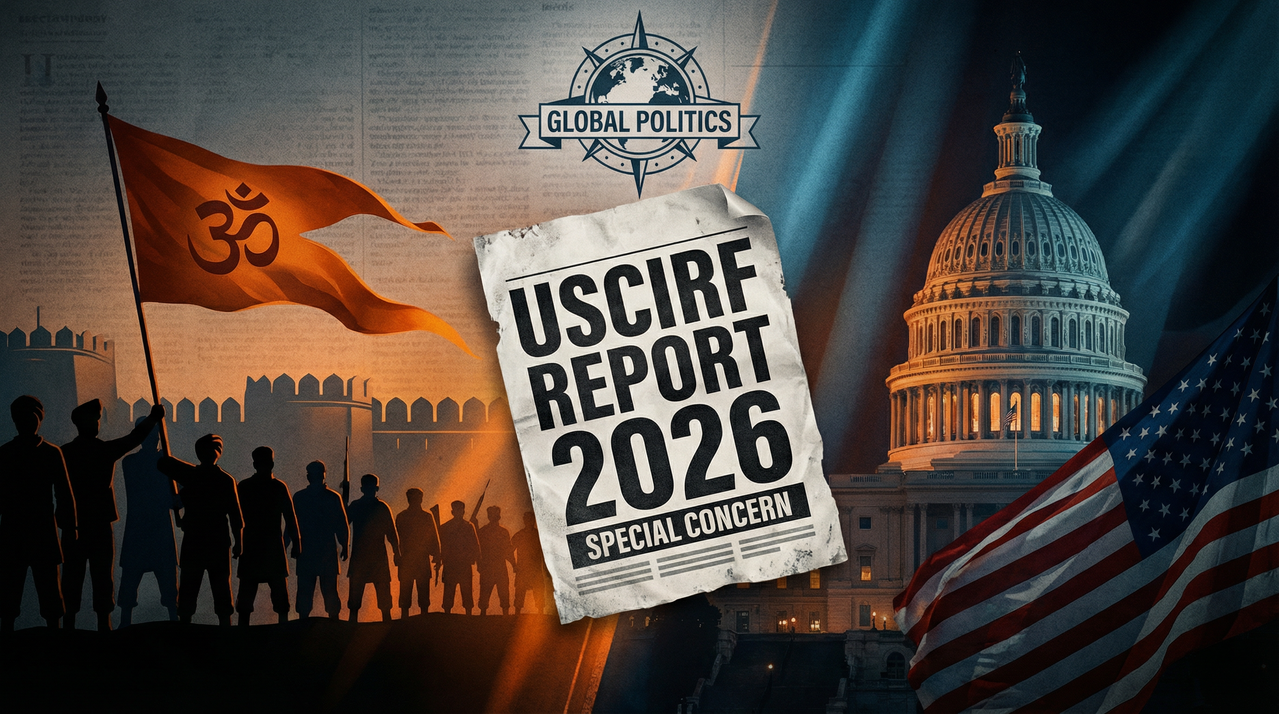 |
গভীরভাবে বিশ্লেষণ করলে দেখা যায়, এই খবরের পেছনে যে ঘটনাটি রয়েছে তা হলো USCIRF (United States Commission on International Religious Freedom)-এর ২০২৬ সালের বার্ষিক রিপোর্ট। এই রিপোর্টে কিছু সুপারিশ করা হয়েছে, কিন্তু সেটি কোনো সরকারি সিদ্ধান্ত নয়।
অর্থাৎ সহজভাবে বললে —
এটি ট্রাম্প প্রশাসনের কোনো “ব্যান অর্ডার” নয়, বরং একটি পরামর্শমূলক রিপোর্ট।
এই নিবন্ধে আমরা বিশদভাবে আলোচনা করব:
- USCIRF কী এবং তাদের ক্ষমতা কতটা
-
২০২৬ সালের রিপোর্টে ঠিক কী বলা হয়েছে
-
কেন RSS এবং R&AW-এর নাম উল্লেখ করা হয়েছে
-
মার্কিন প্রশাসন কি সত্যিই কোনো পদক্ষেপ নিতে পারে
-
সোশ্যাল মিডিয়ায় কেন এত বিভ্রান্তি তৈরি হয়েছে
-
এবং এর সম্ভাব্য ভূরাজনৈতিক প্রভাব কী হতে পারে
USCIRF কী? এই সংস্থার প্রকৃত ভূমিকা
USCIRF বা United States Commission on International Religious Freedom হলো একটি স্বাধীন মার্কিন ফেডারেল কমিশন।
এই সংস্থাটি তৈরি হয়েছিল ১৯৯৮ সালের International Religious Freedom Act অনুযায়ী। এর প্রধান কাজ হলো পৃথিবীর বিভিন্ন দেশে ধর্মীয় স্বাধীনতার পরিস্থিতি পর্যবেক্ষণ করা এবং সেই বিষয়ে মার্কিন সরকারকে পরামর্শ দেওয়া।
তবে এখানে একটি গুরুত্বপূর্ণ বিষয় রয়েছে।
USCIRF নিজে কোনো সরকারি নীতি নির্ধারণ করে না।
তাদের ক্ষমতা শুধুমাত্র রিপোর্ট লেখা এবং সুপারিশ করা পর্যন্ত সীমাবদ্ধ।
এই কমিশনের সদস্যরা নিয়োগ পান:
-
মার্কিন প্রেসিডেন্টের মাধ্যমে
-
মার্কিন কংগ্রেসের নেতাদের মাধ্যমে
তারা বছরে একবার একটি বড় রিপোর্ট প্রকাশ করে যেখানে বিভিন্ন দেশের ধর্মীয় স্বাধীনতার অবস্থা নিয়ে আলোচনা করা হয়।
কিন্তু এই রিপোর্ট প্রকাশ করার পর বাস্তব সিদ্ধান্ত নেওয়ার ক্ষমতা থাকে মার্কিন স্টেট ডিপার্টমেন্ট ও হোয়াইট হাউসের হাতে।
অর্থাৎ USCIRF বলতে পারে কী করা উচিত, কিন্তু তারা নিজেরা কিছু কার্যকর করতে পারে না।
২০২৬ সালের রিপোর্টে আসলে কী বলা হয়েছে
২০২৬ সালের USCIRF বার্ষিক রিপোর্টে ভারতের প্রসঙ্গে একটি গুরুত্বপূর্ণ সুপারিশ করা হয়েছে।
এই রিপোর্টে মার্কিন সরকারকে বলা হয়েছে যে তারা যেন:
-
কিছু ব্যক্তি ও সংগঠনের বিরুদ্ধে লক্ষ্যভিত্তিক নিষেধাজ্ঞা (targeted sanctions) বিবেচনা করে
-
যার মধ্যে উল্লেখ করা হয়েছে
-
RSS
-
ভারতের গোয়েন্দা সংস্থা R&AW (Research and Analysis Wing)
-
রিপোর্টে বলা হয়েছে যে এই সংস্থাগুলির সঙ্গে যুক্ত ব্যক্তিদের বিরুদ্ধে নিম্নলিখিত ব্যবস্থা নেওয়া যেতে পারে:
-
যুক্তরাষ্ট্রে থাকা সম্পদ ফ্রিজ করা
-
মার্কিন ভিসা নিষিদ্ধ করা
-
যুক্তরাষ্ট্রে প্রবেশে নিষেধাজ্ঞা
রিপোর্টে আরও বলা হয়েছে যে ভারতে ধর্মীয় স্বাধীনতার পরিস্থিতি নাকি ২০২৫ সালে আরও খারাপ হয়েছে।
এখানে কিছু বিষয় উল্লেখ করা হয়েছে:
-
ধর্মান্তর বিরোধী আইন
-
সংখ্যালঘুদের উপর হামলার ঘটনা
-
কিছু গ্রেপ্তার ও আটক
-
বিদেশে সংখ্যালঘুদের উপর তথাকথিত নজরদারি
এই কারণ দেখিয়ে USCIRF আবারও সুপারিশ করেছে যে ভারতকে “Country of Particular Concern (CPC)” তালিকায় রাখা উচিত।
“Country of Particular Concern” বা CPC কী?
CPC হলো মার্কিন আইনের একটি বিশেষ ক্যাটাগরি।
এই তালিকায় সেই দেশগুলিকে রাখা হয় যাদের বিরুদ্ধে অভিযোগ থাকে যে তারা ধর্মীয় স্বাধীনতার ক্ষেত্রে “systematic, ongoing, and egregious violations” করছে।
সাধারণত এই তালিকায় থাকে:
-
ইরান
-
উত্তর কোরিয়া
-
মায়ানমার
-
চীন
USCIRF ২০২০ সাল থেকে প্রতি বছর ভারতকে CPC হিসেবে ঘোষণার সুপারিশ করে আসছে।
কিন্তু একটি বড় বিষয় হলো —
মার্কিন স্টেট ডিপার্টমেন্ট কখনওই সেই সুপারিশ মেনে নেয়নি।
স্টেট ডিপার্টমেন্ট কেন USCIRF-এর সুপারিশ মানেনি
গত কয়েক বছর ধরে মার্কিন প্রশাসন বারবার USCIRF-এর সুপারিশকে উপেক্ষা করেছে।
কারণগুলোর মধ্যে রয়েছে:
১. কূটনৈতিক বাস্তবতা
ভারত বর্তমানে যুক্তরাষ্ট্রের অন্যতম গুরুত্বপূর্ণ কৌশলগত অংশীদার।
বিশেষ করে:
-
ইন্দো-প্যাসিফিক কৌশল
-
চীনকে মোকাবিলা
-
প্রতিরক্ষা সহযোগিতা
-
প্রযুক্তি ও সাপ্লাই চেইন
এই কারণেই মার্কিন প্রশাসন ভারতের বিরুদ্ধে কঠোর ধর্মীয় স্বাধীনতা নিষেধাজ্ঞা আরোপ করতে অনিচ্ছুক।
২. নীতি নির্ধারণে USCIRF-এর সীমিত প্রভাব
স্টেট ডিপার্টমেন্ট বহুবার স্পষ্টভাবে বলেছে:
USCIRF একটি স্বাধীন কমিশন,
এটি মার্কিন সরকারের অংশ নয়।
তাদের সুপারিশ বাধ্যতামূলক নয়।
৩. রাজনৈতিক ভারসাম্য
ভারতের মতো বড় গণতান্ত্রিক রাষ্ট্রকে CPC তালিকায় রাখা হলে তা মার্কিন-ভারত সম্পর্কের উপর বড় প্রভাব ফেলতে পারে।
এই কারণে ওয়াশিংটন এখন পর্যন্ত সতর্ক অবস্থান নিয়েছে।
ট্রাম্প প্রশাসনের অবস্থান
২০২৬ সালের রিপোর্ট প্রকাশের পরও এখন পর্যন্ত এমন কোনো প্রমাণ নেই যে ডোনাল্ড ট্রাম্প প্রশাসন এই সুপারিশ কার্যকর করতে চলেছে।
বিভিন্ন আন্তর্জাতিক সংবাদমাধ্যমে বলা হয়েছে:
এই সুপারিশটি শুধু “recommendation to the Trump administration”।
অর্থাৎ এটি বাস্তব নীতি নয়।
কোনো পদক্ষেপ নেওয়া হলে সাধারণত নিচের ধরনের ঘোষণা দেখা যায়:
-
স্টেট ডিপার্টমেন্টের অফিসিয়াল ঘোষণা
-
ট্রেজারি ডিপার্টমেন্টের নিষেধাজ্ঞা তালিকা
-
প্রেসিডেন্সিয়াল এক্সিকিউটিভ অর্ডার
কিন্তু এখন পর্যন্ত এমন কিছু ঘটেনি।
তাহলে “RSS নিষিদ্ধ” কথাটা কোথা থেকে এলো?
এই বিভ্রান্তির মূল উৎস হলো সোশ্যাল মিডিয়া।
অনেক রাজনৈতিক অ্যাকাউন্ট USCIRF রিপোর্টকে এমনভাবে প্রচার করছে যেন:
-
মার্কিন সরকার ইতিমধ্যেই RSS নিষিদ্ধ করেছে
-
অথবা ট্রাম্প প্রশাসন খুব শিগগিরই নিষিদ্ধ করতে যাচ্ছে
কিছু পোস্টে এমন দাবিও করা হয়েছে:
-
RSS-এর সম্পত্তি বাজেয়াপ্ত হবে
-
RSS নেতাদের যুক্তরাষ্ট্রে প্রবেশ নিষিদ্ধ হবে
-
RSS-কে সন্ত্রাসী সংগঠন ঘোষণা করা হবে
কিন্তু এগুলোর কোনোটিই বর্তমানে সরকারি সিদ্ধান্ত নয়।
অন্যদিকে পাল্টা প্রতিক্রিয়া
ভারতের সরকারপন্থী মহল এবং ডানপন্থী মিডিয়া এই রিপোর্টকে সম্পূর্ণ ভিন্নভাবে ব্যাখ্যা করছে।
তাদের দাবি:
USCIRF হলো একটি রাজনৈতিকভাবে পক্ষপাতদুষ্ট সংস্থা।
অনেকেই এটিকে “anti-India lobby” বলে উল্লেখ করছেন।
কিছু বিশ্লেষকের মতে USCIRF-এর ভিতরে এমন কিছু গোষ্ঠীর প্রভাব রয়েছে যারা ভারতের হিন্দুত্ব রাজনীতির বিরোধী।
ফলে তাদের রিপোর্টকে অনেকেই গুরুত্ব দেন না।
ভারতের সরকারি প্রতিক্রিয়া
ভারতের পররাষ্ট্র মন্ত্রণালয় (MEA) বহুবার USCIRF-এর রিপোর্ট প্রত্যাখ্যান করেছে।
সরকারের বক্তব্য সাধারণত তিনটি বিষয়ের উপর ভিত্তি করে:
১. রিপোর্ট পক্ষপাতদুষ্ট
MEA বলেছে USCIRF প্রায়ই ঘটনাগুলি ভুলভাবে উপস্থাপন করে।
২. ভারতের বাস্তবতা উপেক্ষা
ভারত একটি বহুধর্মীয় ও বহুসাংস্কৃতিক সমাজ।
সরকারের মতে USCIRF সেই বাস্তবতা বুঝতে ব্যর্থ।
৩. রাজনৈতিক উদ্দেশ্য
ভারত অভিযোগ করেছে যে রিপোর্টগুলো অনেক সময় রাজনৈতিক উদ্দেশ্যে তৈরি।
২০২৫ সালে ভারত এমনকি বলেছিল USCIRF-কেই “entity of concern” হিসেবে চিহ্নিত করা উচিত।
যদি সত্যিই নিষেধাজ্ঞা আরোপ করা হয় তাহলে কী হবে?
ধরা যাক মার্কিন সরকার ভবিষ্যতে USCIRF-এর সুপারিশ মেনে নিল।
তাহলে কী ধরনের ব্যবস্থা নেওয়া হতে পারে?
১. সম্পদ ফ্রিজ
যদি কোনো ব্যক্তি বা সংগঠনের মার্কিন ব্যাংকে সম্পদ থাকে তবে তা জব্দ করা যেতে পারে।
২. ভিসা নিষেধাজ্ঞা
সংগঠনের সঙ্গে যুক্ত ব্যক্তিদের মার্কিন ভিসা বাতিল করা হতে পারে।
৩. আর্থিক লেনদেন সীমাবদ্ধ
মার্কিন আর্থিক ব্যবস্থার মাধ্যমে লেনদেন নিষিদ্ধ হতে পারে।
কিন্তু একটি বিষয় পরিষ্কার:
মার্কিন সরকার ভারতের ভেতরে RSS নিষিদ্ধ করতে পারে না।
কারণ সেটি সম্পূর্ণভাবে ভারতের অভ্যন্তরীণ আইনগত বিষয়।
ইতিহাসে RSS নিষিদ্ধ হওয়ার ঘটনা
ভারতের ইতিহাসে RSS একবার নিষিদ্ধ হয়েছিল।
১৯৪৮ সালে মহাত্মা গান্ধীর হত্যার পর ভারতের সরকার সাময়িকভাবে RSS নিষিদ্ধ করে।
এই নিষেধাজ্ঞা আরোপ করেছিলেন ভারতের তৎকালীন স্বরাষ্ট্রমন্ত্রী সরদার বল্লভভাই প্যাটেল।
কিন্তু পরবর্তীতে সংগঠনটি পুনরায় বৈধতা পায়।
এই উদাহরণ দেখায় যে RSS-এর উপর নিষেধাজ্ঞা আরোপ করার ক্ষমতা শুধুমাত্র ভারতের সরকারের হাতে।
ভূরাজনৈতিক প্রভাব
যদি ভবিষ্যতে মার্কিন প্রশাসন সত্যিই USCIRF-এর সুপারিশ বাস্তবায়ন করে তাহলে তার বড় প্রভাব পড়তে পারে।
বিশেষ করে তিনটি ক্ষেত্রে।
১. ভারত-মার্কিন সম্পর্ক
দুই দেশের মধ্যে প্রতিরক্ষা সহযোগিতা ক্ষতিগ্রস্ত হতে পারে।
২. অস্ত্র বিক্রি
USCIRF সুপারিশ করেছে যে Arms Export Control Act ব্যবহার করে ভারতের সঙ্গে অস্ত্র চুক্তি পুনর্বিবেচনা করা উচিত।
৩. প্রযুক্তি সহযোগিতা
সেমিকন্ডাক্টর, AI এবং প্রতিরক্ষা প্রযুক্তির সহযোগিতায় উত্তেজনা তৈরি হতে পারে।
বাস্তবতা বনাম রাজনীতি
আন্তর্জাতিক সম্পর্ক প্রায়ই আদর্শ ও বাস্তবতার মধ্যে ভারসাম্যের উপর নির্ভর করে।
একদিকে রয়েছে মানবাধিকার সংগঠনগুলির চাপ।
অন্যদিকে রয়েছে কৌশলগত স্বার্থ।
ভারত বর্তমানে যুক্তরাষ্ট্রের জন্য অত্যন্ত গুরুত্বপূর্ণ:
-
চীনের উত্থান মোকাবিলা
-
ইন্দো-প্যাসিফিক নিরাপত্তা
-
প্রযুক্তি সহযোগিতা
এই কারণে অনেক বিশ্লেষক মনে করেন যে মার্কিন প্রশাসন সম্ভবত কঠোর পদক্ষেপ নেওয়া থেকে বিরত থাকবে।
কেন এই রিপোর্টকে “বড় ঘটনা” বলা হচ্ছে
যদিও এটি এখনো নীতি নয়, তবুও রিপোর্টটি গুরুত্বপূর্ণ।
কারণ প্রথমবারের মতো একটি মার্কিন ফেডারেল কমিশন সরাসরি:
-
RSS
-
R&AW
এর নাম উল্লেখ করে নিষেধাজ্ঞার সুপারিশ করেছে।
এটি আন্তর্জাতিক রাজনীতিতে একটি শক্তিশালী বার্তা।
বিশেষ করে ভারতের বিরোধী রাজনৈতিক শক্তি এবং আন্তর্জাতিক মানবাধিকার সংগঠনগুলির জন্য এটি একটি নতুন আলোচনার বিষয় হয়ে উঠেছে।
সোশ্যাল মিডিয়ার “আউটরেজ ইকোনমি”
বর্তমান যুগে সোশ্যাল মিডিয়া প্রায়ই তথ্যকে বিকৃত করে।
এই ঘটনায়ও দেখা গেছে দুটি চরম প্রতিক্রিয়া।
একদিকে
কিছু রাজনৈতিক গোষ্ঠী বলছে:
RSS নিষিদ্ধ হওয়া এখন সময়ের ব্যাপার।
অন্যদিকে
কিছু মিডিয়া বলছে:
এটি সম্পূর্ণ “বিদেশি ষড়যন্ত্র”।
কিন্তু বাস্তবতা এই দুইয়ের মাঝামাঝি।
উপসংহার: বাস্তব চিত্র কী?
সমস্ত তথ্য বিশ্লেষণ করলে কয়েকটি বিষয় পরিষ্কার হয়।
১. এটি ট্রাম্প প্রশাসনের কোনো সরকারি সিদ্ধান্ত নয়।
২. এটি USCIRF-এর একটি পরামর্শমূলক রিপোর্ট।
৩. মার্কিন স্টেট ডিপার্টমেন্ট অতীতে এই ধরনের সুপারিশ মানেনি।
৪. RSS-কে ভারতের ভেতরে নিষিদ্ধ করার ক্ষমতা মার্কিন সরকারের নেই।
অর্থাৎ বর্তমানে যা ঘটেছে তা মূলত একটি রাজনৈতিক ও কূটনৈতিক বিতর্ক, বাস্তব নীতি নয়।
ভবিষ্যতে যদি স্টেট ডিপার্টমেন্ট বা হোয়াইট হাউস কোনো আনুষ্ঠানিক সিদ্ধান্ত নেয় তখনই এটি বাস্তব নীতিতে পরিণত হবে।
তার আগে পর্যন্ত এটি মূলত ওয়াশিংটনের নীতি মহলে একটি আলোচনা মাত্র।
In recent weeks, social media and partisan commentary have been flooded with claims that former U.S. President Donald Trump has moved to “ban the RSS” or sanction India’s intelligence agency, R&AW. These narratives, often presented in dramatic headlines, suggest that Washington has taken unprecedented punitive action against India’s political and security establishment.
However, a closer examination of the facts reveals a very different picture.
The controversy stems from the 2026 Annual Report of the United States Commission on International Religious Freedom (USCIRF). In that report, the commission recommended that the U.S. government consider targeted sanctions on certain individuals and entities, including India’s intelligence agency and the ideological organization commonly associated with India’s ruling political ecosystem.
But this is where the crucial distinction lies: USCIRF does not make U.S. foreign policy. It only offers recommendations.
At the time of writing in March 2026, no sanctions have been imposed, no organization has been banned, and there has been no formal policy shift from the U.S. State Department or the White House.
Understanding what the report actually says—and what it does not say—is essential to separating political rhetoric from reality.
The 2026 USCIRF report includes a set of policy recommendations directed toward the U.S. government. Among these is a call to impose targeted sanctions on individuals and entities allegedly responsible for severe violations of religious freedom.
The report specifically mentions organizations such as India’s Research and Analysis Wing (R&AW) and the Rashtriya Swayamsevak Sangh (RSS). USCIRF suggests that the U.S. government consider measures such as:
-
Freezing assets under U.S. jurisdiction
-
Imposing visa restrictions or entry bans on individuals linked to these entities
-
Holding specific individuals accountable under human rights sanctions frameworks
The commission also reiterates a recommendation it has made repeatedly since 2020: that the United States designate India as a “Country of Particular Concern” (CPC) under the International Religious Freedom Act.
According to USCIRF, the recommendation is based on what the commission describes as a deterioration of religious freedom conditions in India during 2025. The report cites issues such as anti-conversion legislation, incidents of mob violence, detentions of activists, and allegations of transnational repression targeting minority communities abroad.
Yet it is important to emphasize that these recommendations are not binding policy decisions.
To understand the controversy, one must understand the nature of USCIRF itself.
USCIRF is an independent bipartisan federal commission created by the International Religious Freedom Act of 1998. Its mandate is to monitor religious freedom conditions around the world and provide recommendations to U.S. policymakers.
However, the commission does not have executive authority.
It cannot impose sanctions, designate countries, or alter U.S. foreign policy.
Its role is advisory. It produces reports, holds hearings, and makes recommendations to three primary audiences:
-
The President of the United States
-
The Secretary of State
-
Members of the U.S. Congress
The commission itself sits somewhat uniquely within the U.S. government structure. Its commissioners are appointed by both the President and leaders of Congress from both parties, and it operates independently from the State Department.
This means that while USCIRF reports often attract media attention and political debate, actual policy decisions must be made by the executive branch, primarily the State Department and the White House.
In simple terms, USCIRF writes recommendations, but it does not execute them.
The debate surrounding the 2026 report is not new. In fact, it reflects a pattern that has existed for several years.
Since 2020, USCIRF has repeatedly urged the U.S. government to designate India as a Country of Particular Concern. Such a designation is reserved for countries accused of “systematic, ongoing, and egregious violations of religious freedom.”
Despite these repeated recommendations, the U.S. State Department has never designated India as a CPC.
Every year, the State Department conducts its own review of religious freedom conditions worldwide before making final determinations. In those reviews, India has consistently not met the threshold for CPC designation according to U.S. policymakers.
This divergence has created a visible gap between USCIRF’s rhetoric and actual U.S. policy.
Advocacy groups aligned with USCIRF’s views have often criticized the State Department for ignoring the commission’s advice. Conversely, U.S. officials have emphasized that the commission’s recommendations are only one input in a much larger diplomatic calculation.
The 2026 report arrives during Donald Trump’s second presidential term. Some commentators have interpreted the commission’s recommendations as evidence that the Trump administration is preparing to take a harder line against India.
However, there is no public indication that such a policy shift has occurred.
Analysts examining the early months of Trump’s second term have pointed out that the State Department has not acted on USCIRF recommendations, despite pressure from various advocacy groups.
Indeed, even before Trump’s second presidency, State Department officials had repeatedly clarified the commission’s role.
Officials emphasized that USCIRF is an independent advisory body, not part of the State Department, and therefore its recommendations do not automatically translate into government action.
So far in 2026, there have been no sanctions announcements, no visa bans, and no formal designation decisions linked to the report.
In practical terms, that means the situation remains unchanged.
One of the most misleading claims circulating online is that the United States could somehow ban the RSS within India.
This is legally impossible.
The United States does not have the authority to dissolve or ban organizations operating inside another sovereign country.
What Washington could do—if it chose to follow USCIRF’s recommendations—is far more limited.
Possible measures could include:
-
Freezing assets within the United States linked to certain individuals or entities
-
Blocking financial transactions under U.S. jurisdiction
-
Denying visas or entry to specific individuals
Such measures are commonly referred to as targeted sanctions.
These sanctions operate only within the scope of U.S. legal authority. They do not affect whether an organization can operate domestically inside another country.
For example, if an entity does not maintain assets in the United States or conduct financial activity within the U.S. system, the practical impact of such sanctions may be limited.
Similarly, visa bans would simply prevent certain individuals from entering the United States.
In contrast, banning an organization within India itself would require action by the Indian government under Indian law.
Historically, such bans have occurred only in exceptional circumstances. For example, the RSS was briefly banned in India after the assassination of Mahatma Gandhi in 1948.
But such actions are solely the prerogative of the Indian state.
Despite the legal and procedural realities, the USCIRF report has sparked intense reactions across political and ideological divides.
Opposition figures and critics of India’s ruling political establishment have highlighted the report as evidence of growing international concern over religious freedom in India.
Some posts circulating online present the recommendations as if they were already official U.S. decisions.
These narratives often include statements suggesting:
-
An “immediate ban” on the RSS
-
Freezing of RSS assets worldwide
-
Global sanctions against India’s intelligence agencies
In reality, these claims exaggerate the commission’s recommendations and blur the line between advisory proposals and actual policy.
At the same time, pro-government commentators and right-leaning media outlets have responded with their own counter-narratives.
Many portray the report as the work of an anti-India lobby inside Washington, accusing the commission of ideological bias and political motivation.
This clash has produced a familiar pattern of outrage-driven polarization.
One side treats the report as a landmark moment of international accountability, while the other frames it as foreign interference in India’s domestic affairs.
Lost in this political shouting match is the basic reality: nothing in U.S. policy has actually changed yet.
The Indian government has consistently rejected USCIRF’s assessments.
India’s Ministry of External Affairs (MEA) has repeatedly described the commission’s reports as biased, politically motivated, and based on selective interpretation of events.
Officials argue that the reports ignore India’s constitutional protections for religious freedom and fail to account for the country’s complex social dynamics.
In 2025, Indian officials even suggested that USCIRF itself could be considered an “entity of concern” due to what they described as persistent misrepresentation of India’s internal affairs.
The reaction to the 2026 report has followed a similar pattern.
Indian responses characterize the recommendations as distorted portrayals of India’s reality and reject any suggestion that the country’s democratic institutions tolerate systemic violations of religious freedom.
While the Indian government dismisses USCIRF’s conclusions, several human-rights organizations and advocacy groups have welcomed the report.
These groups argue that the commission is fulfilling its mandate by highlighting what they view as worsening conditions for religious minorities in India.
Some diaspora organizations in the United States have described the report as historic, arguing that it reflects growing international awareness of minority rights concerns.
They contend that targeted sanctions and stronger diplomatic pressure may be necessary to encourage reforms.
Thus, the debate surrounding the report is not simply about policy—it is also about competing political narratives regarding India’s domestic situation.
Even if the United States were to consider USCIRF’s recommendations seriously, implementing them would involve significant geopolitical consequences.
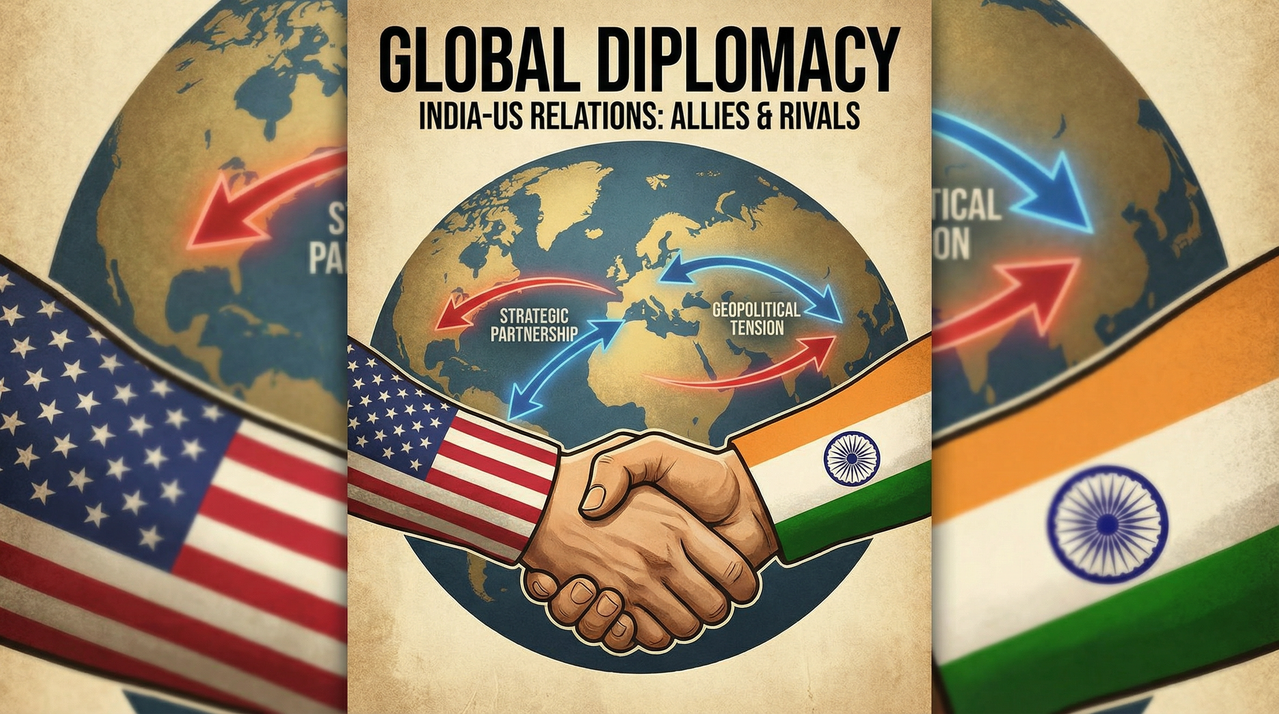
India is one of Washington’s most important strategic partners in the Indo-Pacific.
The two countries cooperate closely in areas such as:
-
Defense and military exercises
-
Technology and semiconductor supply chains
-
Counterbalancing China’s growing influence
Sanctions targeting Indian organizations linked to the political establishment could therefore introduce serious diplomatic friction.
USCIRF’s recommendations also go beyond visa restrictions.
The commission has called for possible enforcement of provisions under the Arms Export Control Act, which could potentially link defense cooperation to religious freedom benchmarks.
If such steps were ever taken, they could complicate military partnerships and defense procurement agreements between the two countries.
However, analysts widely believe that strategic considerations will continue to shape Washington’s decisions.
The United States has historically prioritized geopolitical alignment with India over adopting USCIRF’s most aggressive recommendations.
The gap between USCIRF’s recommendations and actual U.S. policy highlights a broader tension in international politics.
Human-rights advocacy groups often push for stronger punitive measures against governments accused of rights violations.
However, governments must balance those concerns against strategic interests, economic partnerships, and geopolitical alliances.
In the case of India, Washington faces a complex calculation.
India is a major democratic partner, a critical player in the Indo-Pacific, and a key participant in emerging global supply chains.
These factors have consistently led U.S. policymakers to avoid actions that could significantly damage bilateral relations.
As a result, many analysts believe that USCIRF’s recommendations are unlikely to translate into sweeping sanctions in the near future.
The controversy surrounding the 2026 USCIRF report illustrates how quickly complex policy issues can be simplified—or distorted—once they enter the online information ecosystem.
Dramatic headlines claiming that the United States has “banned the RSS” or sanctioned India’s intelligence agencies do not reflect reality.
At present:
-
No sanctions have been imposed.
-
No visa bans have been announced.
-
No CPC designation has been issued for India.
What exists is an advisory report containing recommendations.
Those recommendations may influence debates in Washington, but they do not automatically become government policy.
The 2026 USCIRF report represents a significant rhetorical escalation in debates about religious freedom in India.
For the first time, the commission has explicitly suggested sanctions targeting organizations associated with India’s political and security ecosystem.
This provides critics of the Indian government with a powerful new talking point and adds another layer of tension to ongoing international discussions about human rights.
However, the key distinction must not be overlooked.
The report is not a decision by the U.S. government.
It is an advisory recommendation from an independent commission whose proposals regarding India have historically been ignored by policymakers in Washington.
Unless the U.S. State Department or the White House formally adopts those recommendations through official designations or sanctions orders, the report remains a political signal rather than a policy shift.
For observers trying to understand the situation, the most reliable indicator will not be USCIRF press releases or viral social-media posts.
The real test will be whether the U.S. State Department issues formal sanctions notices or designation announcements.
Until that happens, the controversy remains part of the broader geopolitical debate rather than a concrete change in international policy.